Local and open-source AI
Models that run on an ordinary laptop, offline and free, with nothing you type leaving your computer. Step-by-step guides for readers who cannot pay for a subscription or reach the big platforms.
I build AI tools for professionals, small companies and NGOs, and write about using them well, from a part of the world the big platforms often leave out.
15+
years in humanitarian communication across East Africa
7
products built, from job search to community video
31
testers in Kazi Board's first quiet week
100
verified job matches found for those testers
What I have built
Notes from the build: what each product took, what broke, and what the people using it told me. Building with AI still means hours of instructing, testing and fixing, and I keep those hours visible.

An AI job-search assistant for people who shouldn't have to check six job boards every night. It builds your CV from your real work history, matches you to verified openings and drafts applications for you to review. In its first quiet week, 31 testers created 12 CVs and got 100 verified matches.
Visit kaziboard.comA video editor with Claude built in. You drop in your footage and describe the cut you want in one sentence. It picks the shots, cuts on the beat, adds captions and graphics, and exports for YouTube, X, LinkedIn and Reels. It runs on your own computer, so nothing leaves your machine. A small group is getting early access first.
Link coming soon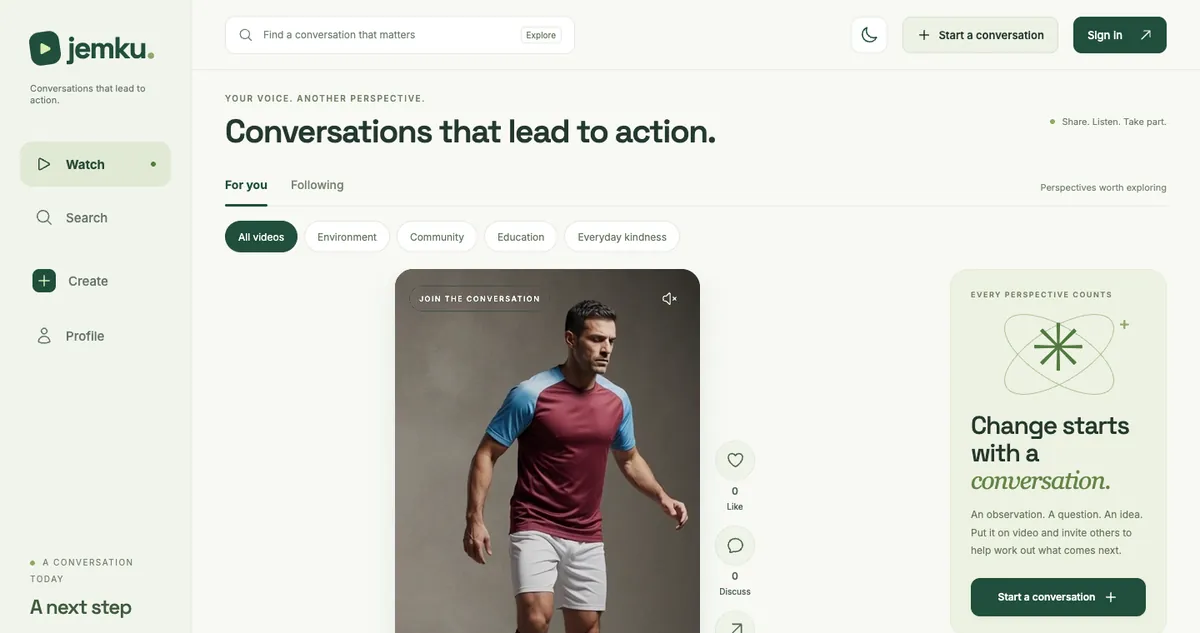
A video platform for conversations that lead to action. Someone records a short video about something they have noticed where they live, an observation, a question or an idea, and others reply, discuss and help work out what comes next. Conversations are grouped by topic, from the environment and education to everyday kindness. It is fully built and ready to launch.
Visit jemku.com
A turnkey sportsbook for betting companies in Africa: the betting software and the odds data in one package. An operator buys the platform outright, runs it under its own brand and gambling licence, and keeps everything it earns. It takes card payments and USDT, and it comes with live football odds from day one. The odds come from Bookurah's own pricing engine, which also powers Betzone.
Visit bookurah.com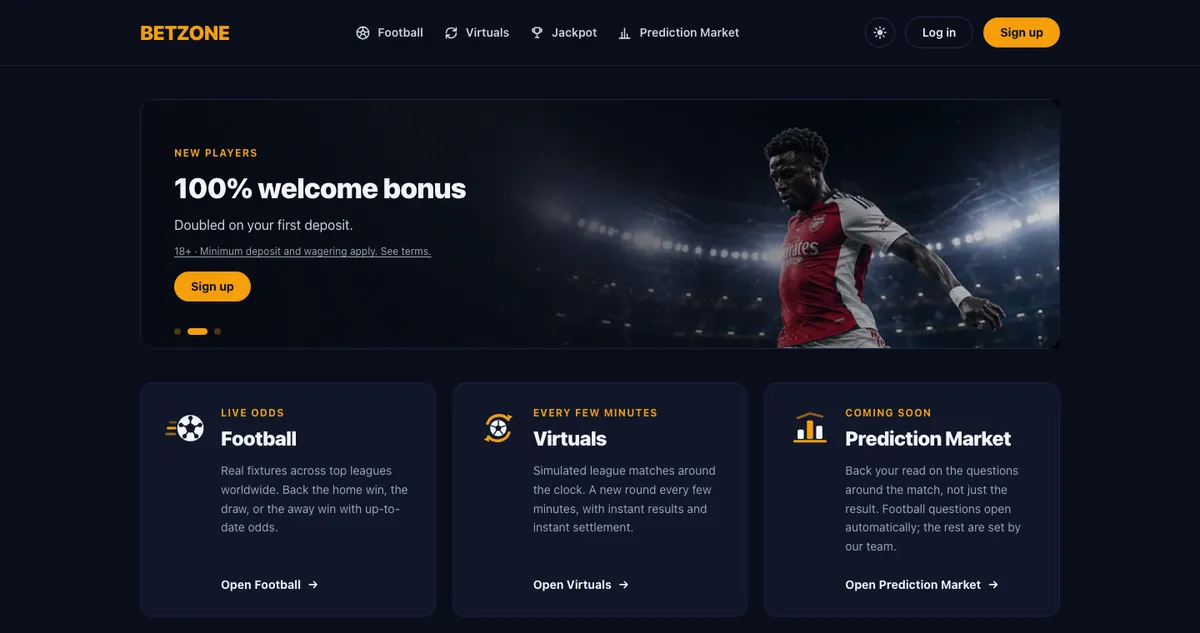
South Sudan's licensed sports betting platform, covering real and virtual football, with a shopfront in Juba. The virtual matches use AI-rendered footage, which has been one of the hardest and most instructive builds I have done.
Visit betzone.co
A peer-to-peer crypto exchange for African users, where banking is thin and most people reach digital assets by trading directly with another person. Users post offers and match on price, and the USDT for each trade sits in its own escrow on the Tron network until both sides are satisfied. I built it with Claude, and it is now waiting to launch, which has taught me how much of launching a product that holds other people's money belongs to its owner.
Visit bithela.com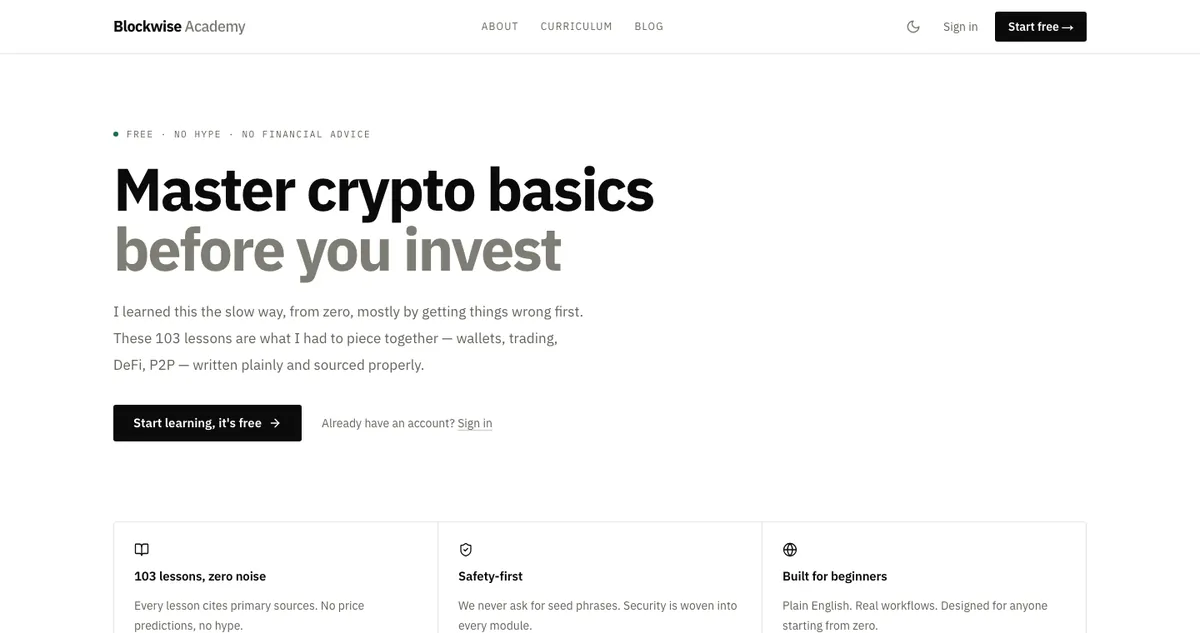
Free crypto education for East Africans, written for ordinary people making real decisions with real money. It is where I learned to turn complicated technology into short, plain lessons, which is most of what I now do with AI.
Visit blockwiseacademy.comWhat I write about
Every piece starts from the same place: someone trying to get real work done with tools that were built far away.
Models that run on an ordinary laptop, offline and free, with nothing you type leaving your computer. Step-by-step guides for readers who cannot pay for a subscription or reach the big platforms.
What to automate first, what to leave alone, and why a person should check the work before anything goes out. One workflow run properly for two weeks teaches more than ten tried in an afternoon.
What these tools mean for people in Juba, Kampala and Nairobi, far from where they are made: payment walls, patchy connections, language, and who controls the tool.
From sitreps to systems
Crypto is where the building started. At Nile Capital and on Betzone I learned to scope a product, coordinate developers, work with government and launch something real in Juba. AI is where that building happens now.
The through-line has held across all three fields. Complex systems fail when information is badly communicated, half-understood, or late. AI makes that problem faster and larger. It also puts the fix within reach of a small team, or one person with a laptop.
The full story on the About pageFeatured writing
Three essays at a time, rotated every four to six weeks. All essays
A humanitarian's field guide to the private-sector transition. Twenty concrete skills, what each one involves in the field, and how it translates almost directly into private-sector work.
ReadThe thesis piece. Why the skills developed across fifteen years of humanitarian work are almost always the exact skills the private sector is short on, and why the translation is a vocabulary problem rather than a capability problem.
ReadLessons from humanitarian communication that still matter when writing about crypto, users, products, and decision-making.
ReadAI is a powerful tool, and it is still a tool.
Why this site exists
Every week brings a new model, a new benchmark and a new claim that everything has changed. What is often missing is the account of what it took: the hours, the failures, and the checks.
The habits I built in humanitarian work (checking sources, writing down what I do not yet understand, testing every claim against what people actually did) are the habits building with AI asks for, every hour. When the field moves fast, I answer by writing more carefully.
Start here
If you want these essays and working notes in your inbox, the newsletter goes out when there is something worth reading. No promotional content, no forwarded third-party offers. If a dispatch does not help you think more clearly, it does not go out.
You can unsubscribe any time. Your email will not be shared.
Thanks, you’re on the list. The first dispatch will arrive when the writing is worth your attention.
Something went wrong. Try again, or email me directly and I’ll add you by hand.